Spinning Classes available 1 on 1
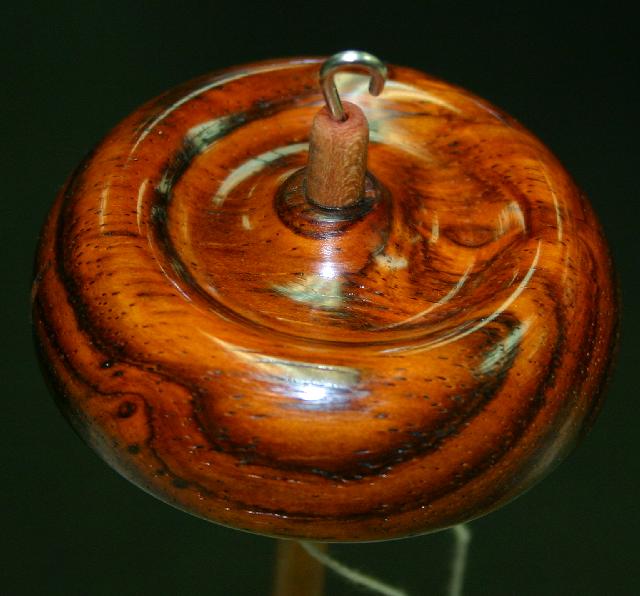
New Spinners and Specialty Spinning
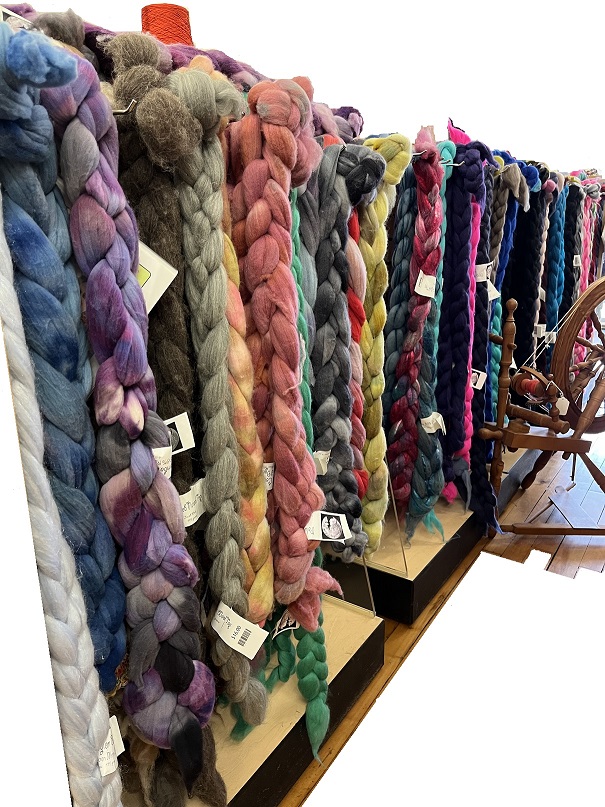
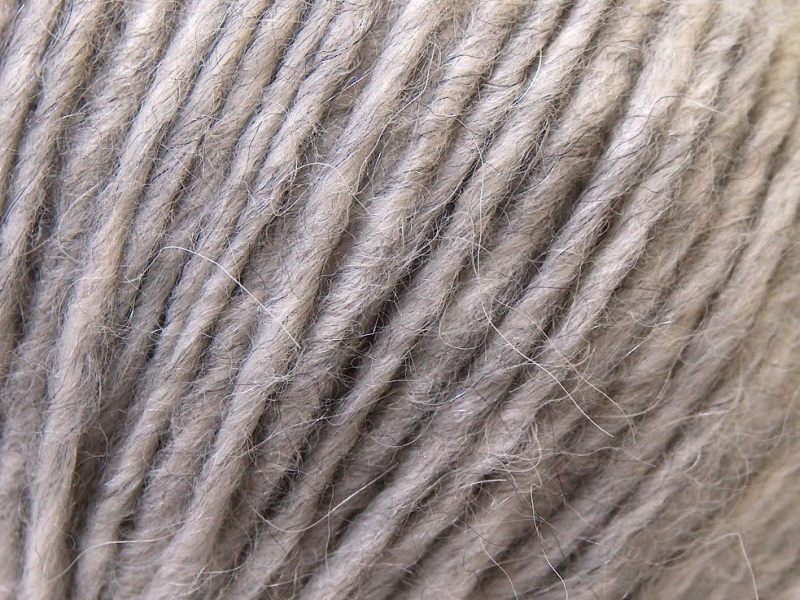
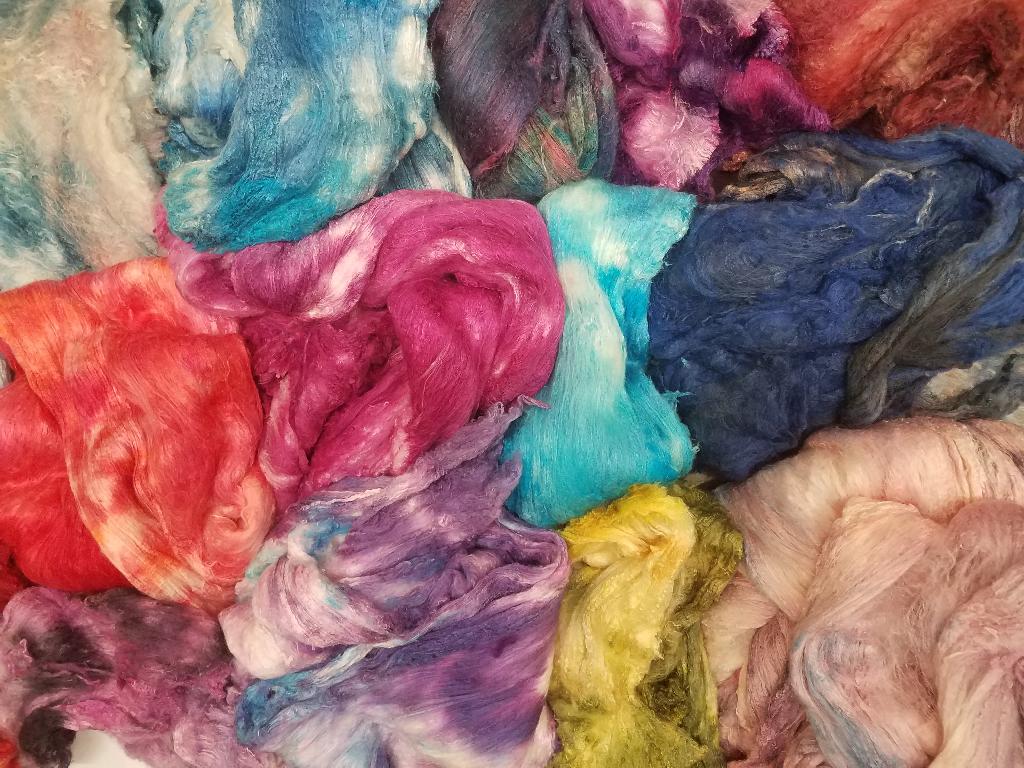
Huge selections of fibers, Schacht and Ashford wheels.
Quilting
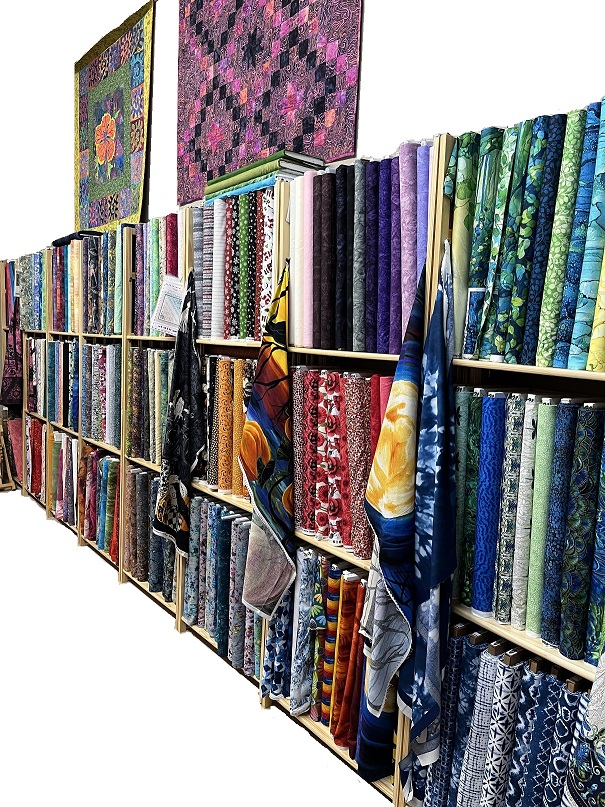
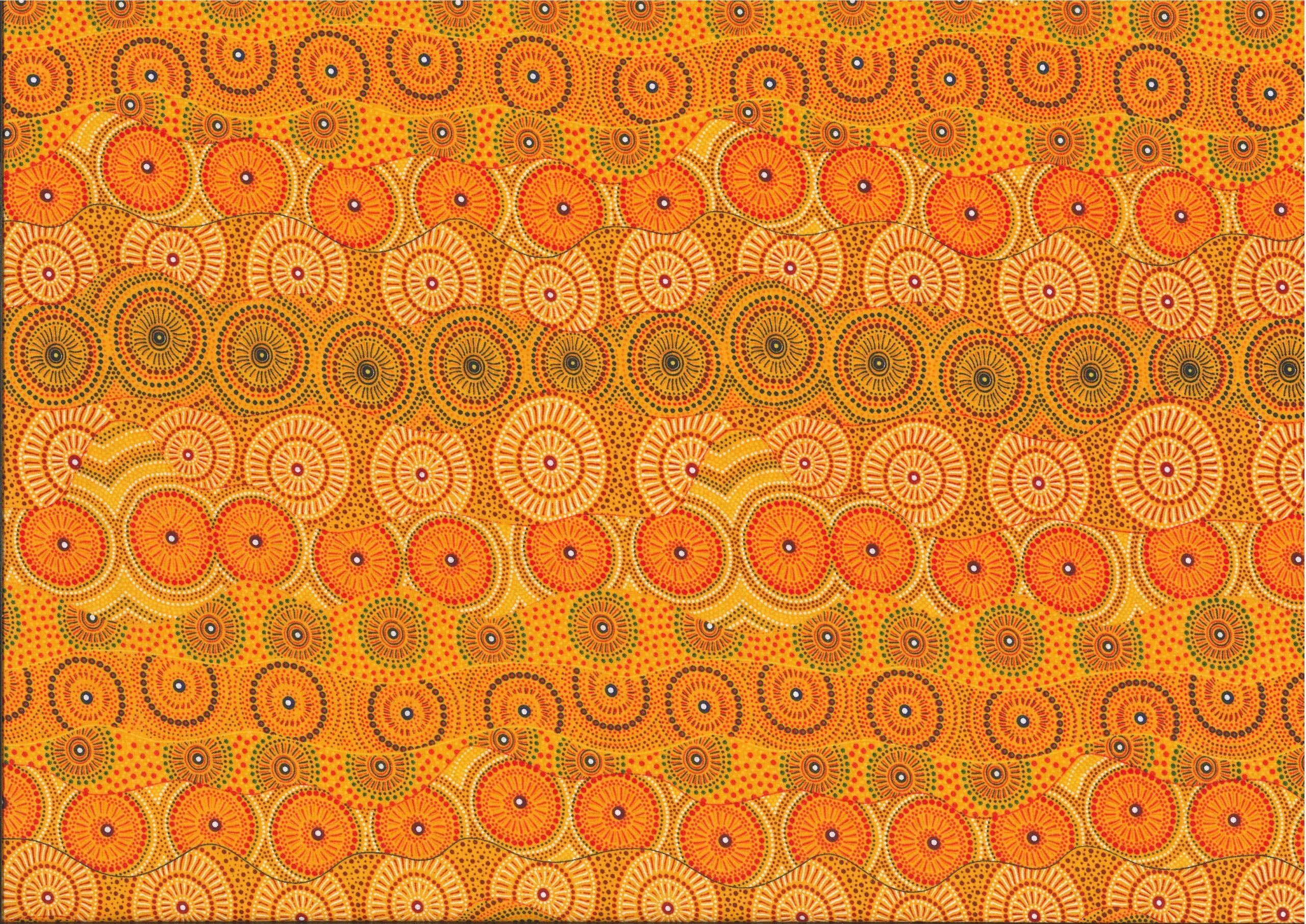
We are pleased to bring you the finest fabrics, notions and accessories.
Learn how to master the necessary techniques to make your quilting experience a pleasure!
Knitting and Crochet
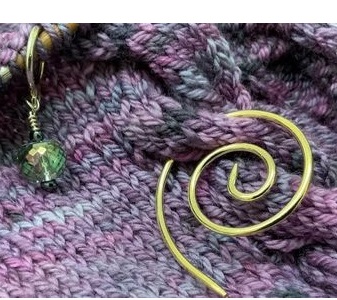
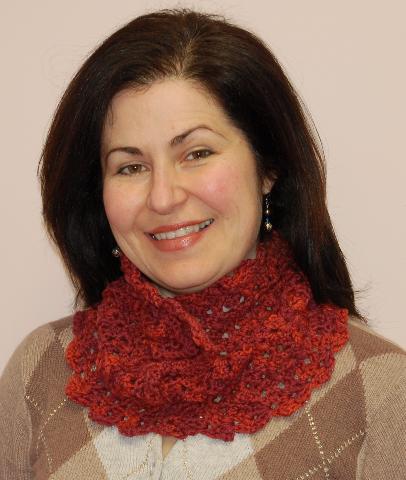
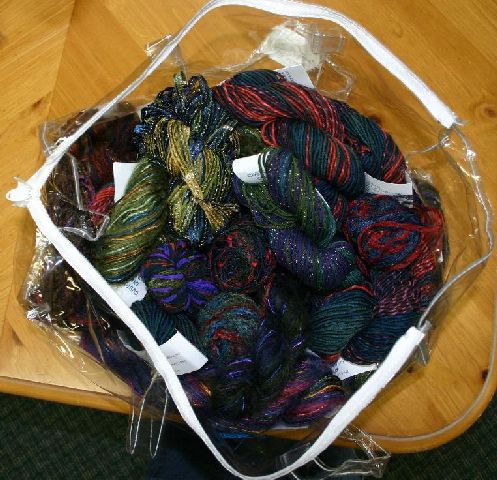
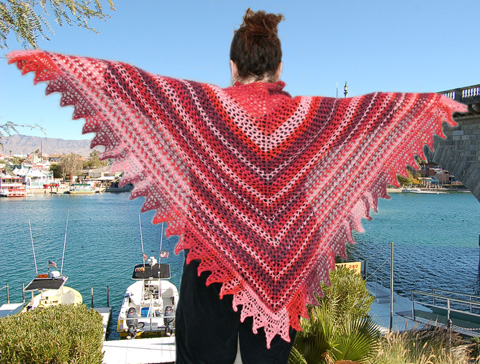
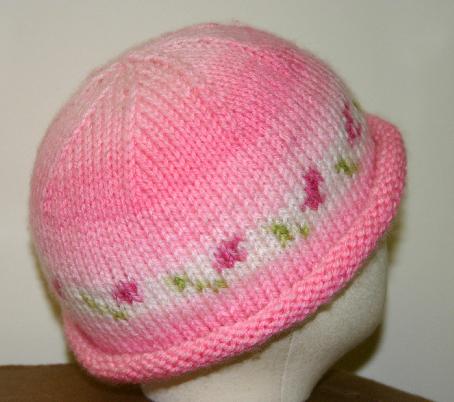
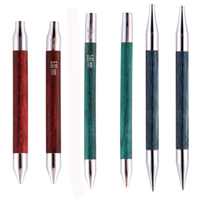
Knitters and crocheters can easily navigate through our wide range of hand dyed and luxury yarns, notions and patterns.
Daily classes.
Felting
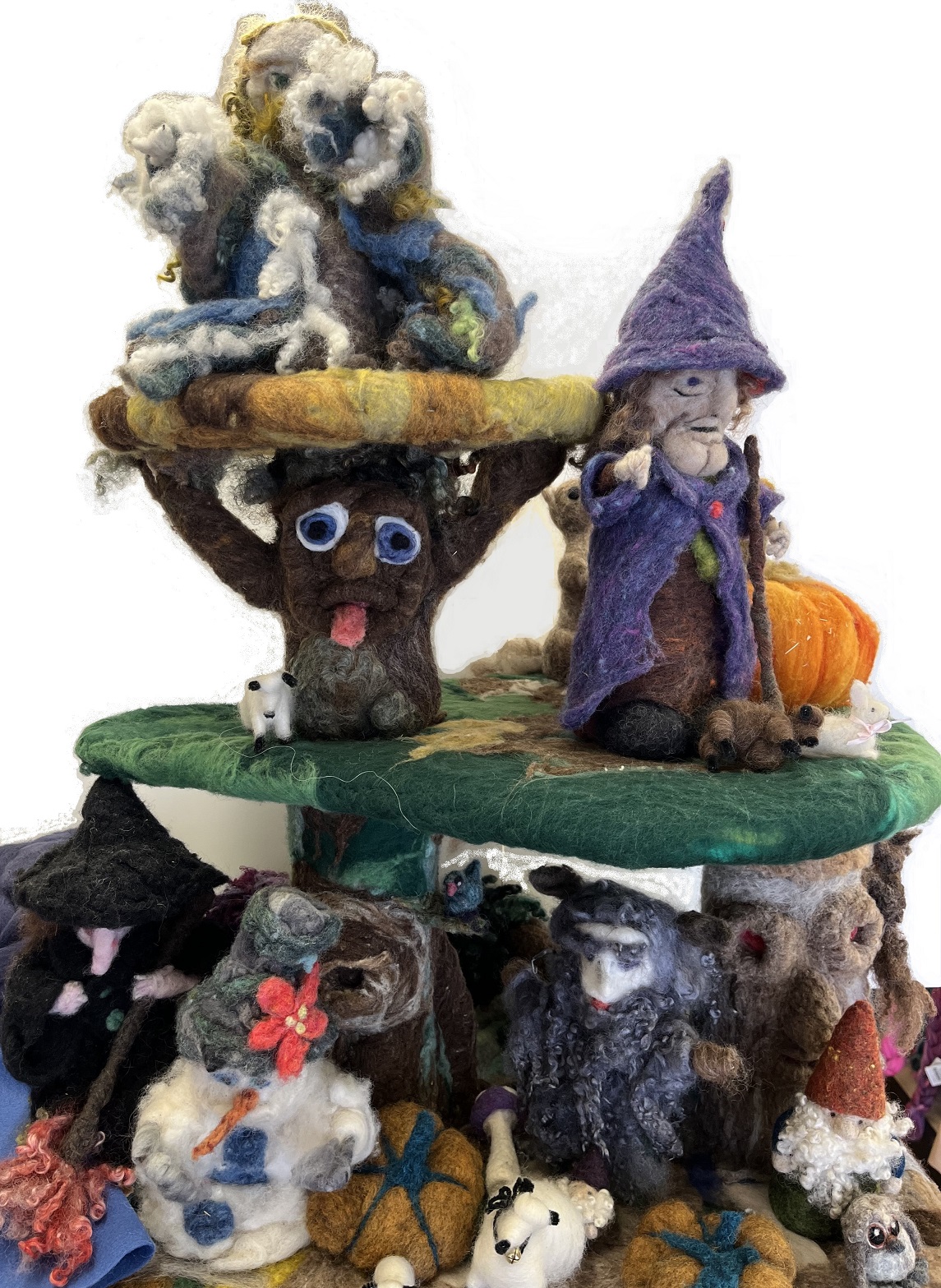
Needle felting kits (includes fiber and directions). A great way to get started with needle felting.
Watch our class listings for upcoming classes.